Research Topics
Optical and Electrophysiological Brain Imaging (OBRIM) Research Group
We work on brain imaging by using optical techniques such as Functional Near Infrared Spectroscopy (fNIRS) and Functional Diffuse Correlation Spectroscopy (fDCS) and by using electrophysiological approaches such as electroencephalography (EEG). Also, we try to solve the problems related to neural dynamics and brain-related diseases by combining these techniques to signal processing and machine learning techniques.
- Dr. Öğr. Üyesi Aykut Eken
- Prof. Dr. Birsen Can Demirdöğen
Tissue Engineering
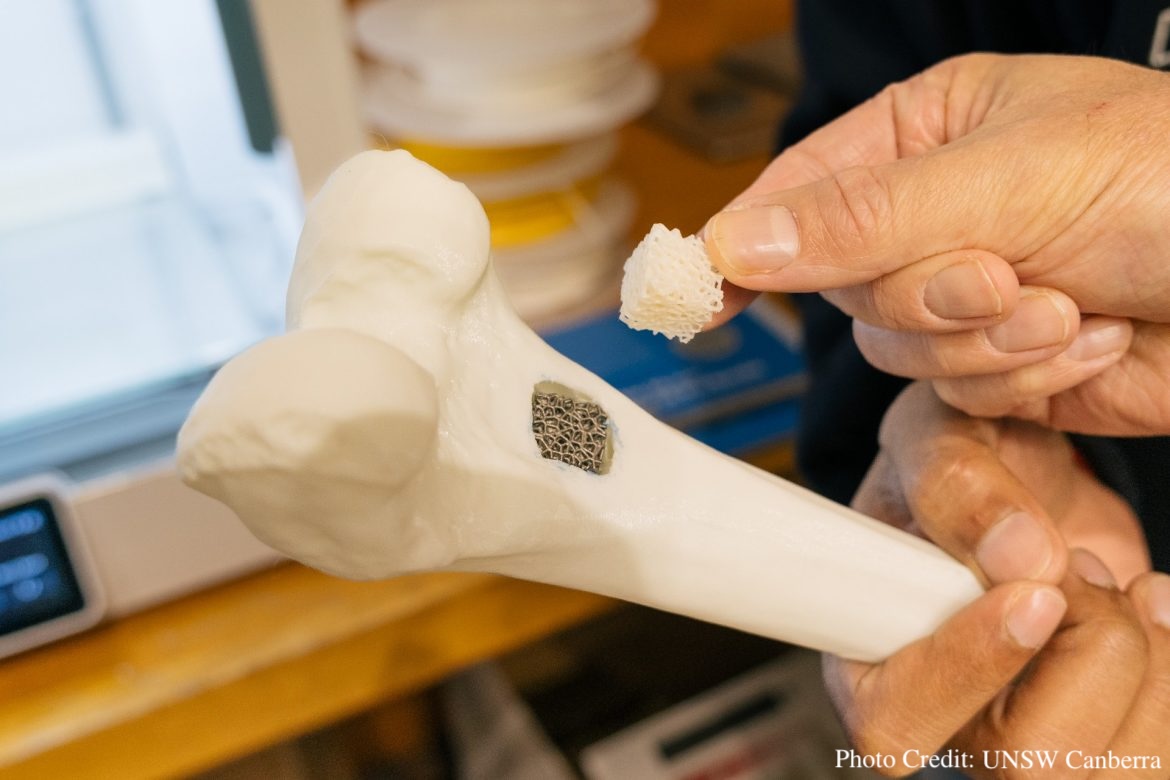
Tissue engineering sits at the intersection of engineering design and cell biology. Rather than replacing damaged tissue with permanent inert implants, the field aims to regenerate functional tissue by combining cells, engineered scaffolds, and controlled biochemical and mechanical signals.
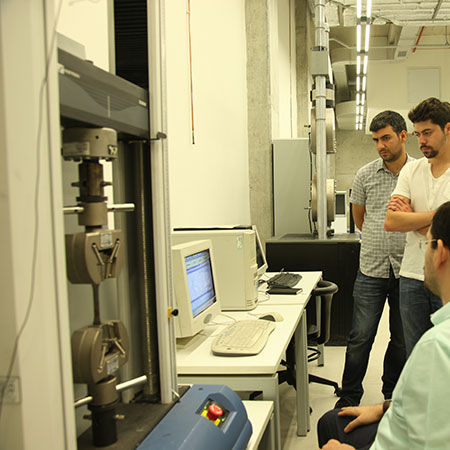
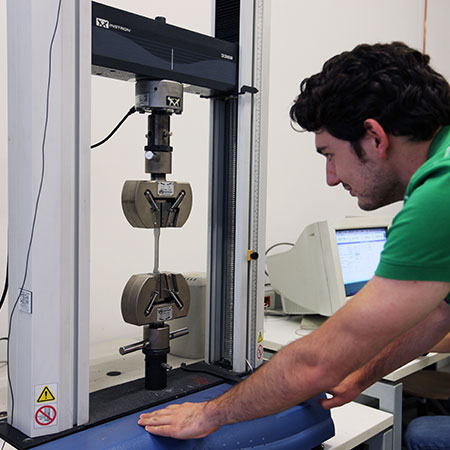
Tissue scaffolds and biomaterials provide temporary mechanical support and a suitable environment for cell attachment, proliferation, and differentiation. These constructs are then evaluated through computational modeling, mechanical testing, and cell culture. The work draws on biomechanics, biomaterials, and biofabrication, and connects the department's fundamental research to clinical needs in orthopedics, wound care, and reconstructive surgery.
- Dr. Öğr. Üyesi Mervenaz Sahin
Neurogenetics and Molecular Biomarkers in Multiple Sclerosis
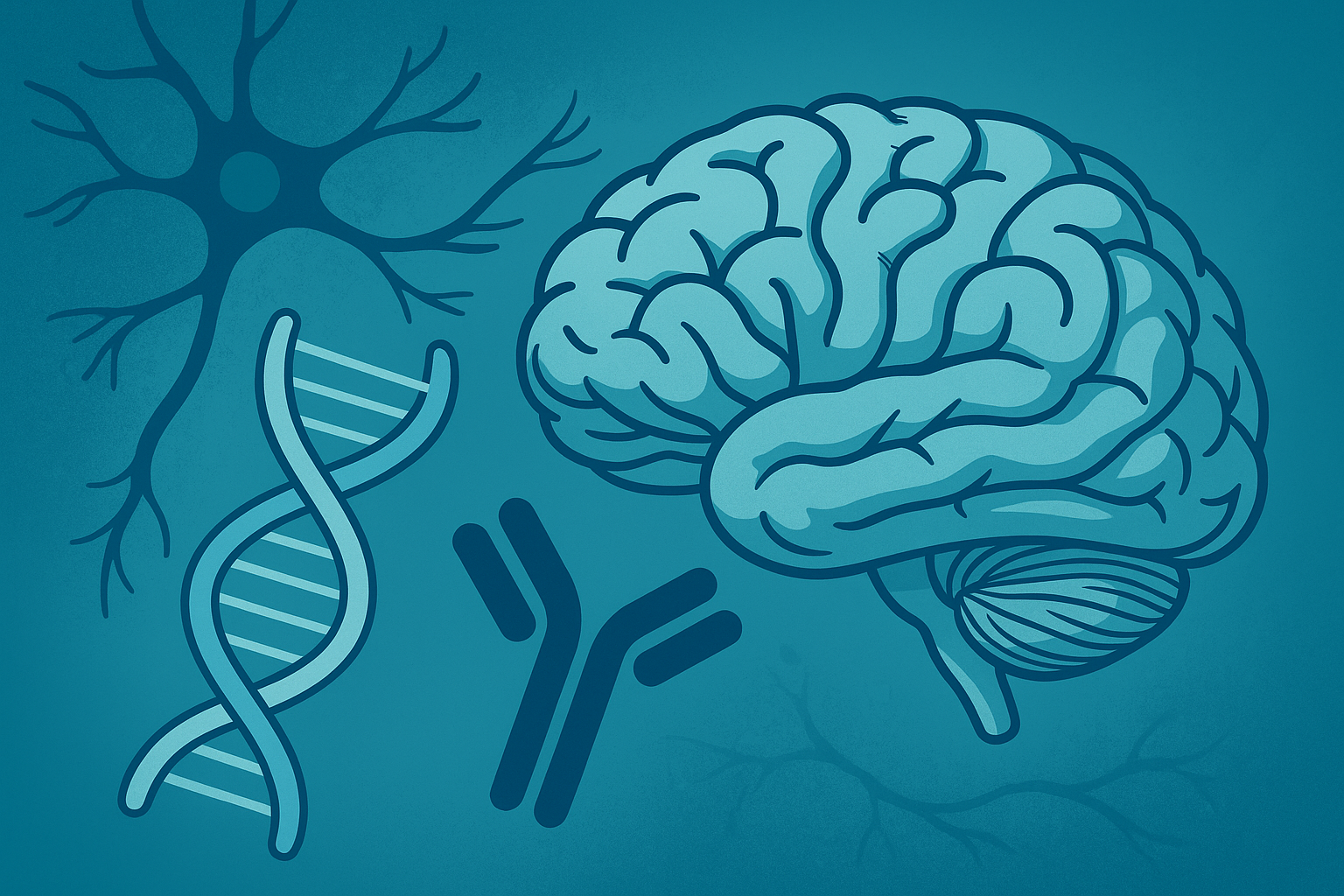
The pathogenesis of multiple sclerosis, a neurodegenerative and autoimmune disease of the central nervous system shaped by the interaction between genetic susceptibility, immune response, and environmental factors, is investigated through molecular markers such as microRNAs, SNPs, cytokines, and transcription factors. The development of blood-based biomarkers is aimed at improving disease diagnosis, prognosis, and the assessment of treatment response.
- Prof. Dr. Birsen Can Demirdöğen
Nanomedicine

Nanomedicine, defined as the application of nanotechnology to the medical sciences, in its simplest sense refers to the use of nanomaterials for diagnostic and therapeutic purposes, including biosensors and molecular nanotechnology, to enable personalized treatment. As an interdisciplinary field, nanomedicine particularly focuses on high-resolution real-time imaging and the treatment of cancer and nanoparticle-induced toxicities.
- Prof. Dr. Fatih Büyükserin
Biomechanics

Biomechanics, first introduced in the 1970s, encompasses the application of fundamental mechanical science to living organisms. It is the field that examines the behavior of biological and physiological systems under load and displacement from the perspectives of statics, dynamics, and fluid mechanics. The biomechanics of the human body falls within the fields of kinesiology and sports medicine. Biomedical engineering, on the other hand, seeks to improve human quality of life by designing and manufacturing appropriate devices to repair and replace damaged regions of the body. The figure shown alongside illustrates the design created by Giovanni Alfonso Borelli in the 16th century, which is regarded as one of the earliest biomechanical drawings.
- Dr. Öğr. Üyesi Fatma Kübra Elbay Elibol
Biomaterials

Biomaterials are the biological and physiological interfaces of the materials world and encompass materials that are in contact with biological systems. Biomaterials science interacts with medical sciences, biology, chemistry, and engineering, and, as evidenced by the growing number of scientific publications and commercial products, has shown continuous and rapid development over the past 50 years. In parallel with this growth, manufacturers in various industrial sectors are making substantial investments in the development of new biomaterials and biomaterial-based devices, which makes biomaterials science an attractive field.
- Dr. Öğr. Üyesi Ersin Emre Ören
- Dr. Öğr. Üyesi Mervenaz Sahin
Biotechnology

Biotechnology fundamentally encompasses the application of basic sciences, engineering, and medical sciences to biological systems, living organisms, and their derivatives in order to develop new technologies and products. Biotechnology has a wide range of application areas, extending from food science to genetics.
- Prof. Dr. Fatih Büyükserin
Controlled Drug Delivery and Transport

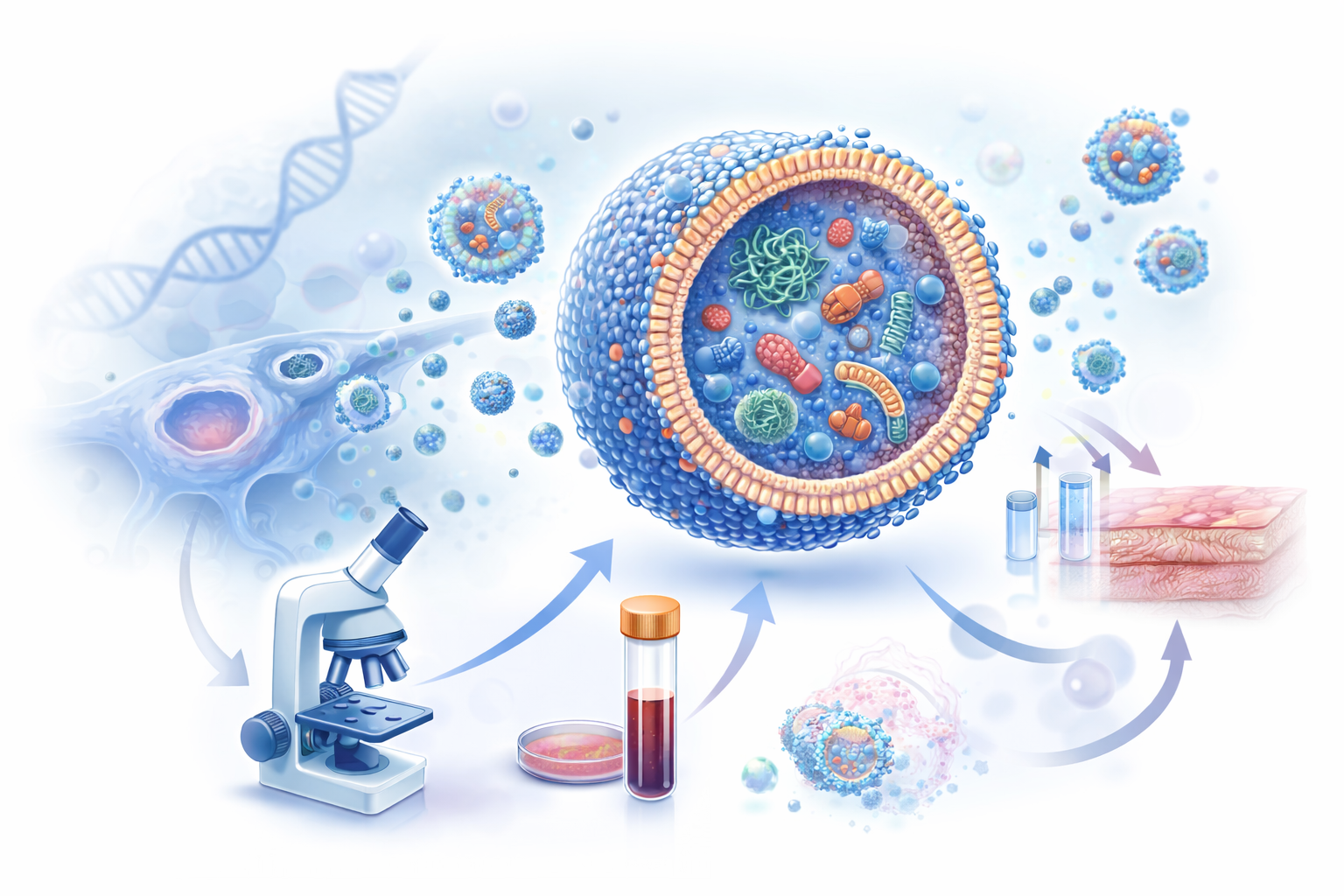
In addition to conventional drugs, this field aims to enable therapeutic agents such as proteins, peptides, antibodies, and RNA to perform their targeted functions in the most effective manner. To this end, it investigates the effects of various drug delivery platforms, including liposomes, microcapsules, macromolecular polymers, and gel-based systems, as well as the outcomes associated with different routes of administration such as oral, dermal, and intraperitoneal delivery. Another major research focus in this field is the development of next-generation controlled and environmentally responsive drug release mechanisms.
- Dr. Öğr. Üyesi Ersin Emre Ören
- Prof. Dr. Fatih Büyükserin
Biomolecular Machines

They are tiny energy conversion devices at molecular scales. These machines, which can be derived either from natural sources or synthesized artificially, operate far more efficiently than the machines used in everyday life. Biomolecular machines possess unique mechanochemical and dynamic mechanisms and are composed of molecular structures such as proteins, DNA, and other fundamental building blocks of nature.
Biomedical Imaging

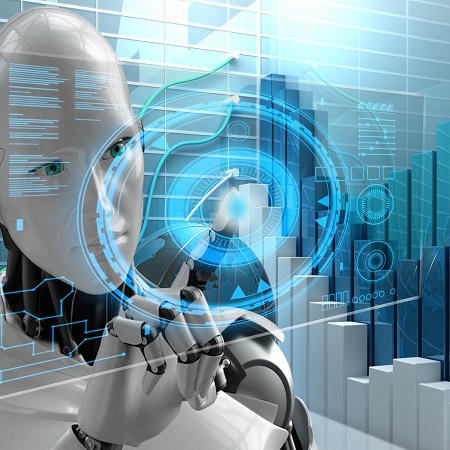
Biomedical imaging refers to the acquisition of images of body functions and anatomical or physiological characteristics. It is one of the most frequently encountered application areas of biomedical engineering in daily life. MRI, ultrasound, tomography, X-ray, and mammography devices are tangible products of the imaging field. Today, with the support of artificial intelligence, it has become possible to detect tumors in medical images and to develop medical decision support systems for physicians.
- Prof. Dr. Osman Eroğul
Bioelectronics – Signal Processing

Bioelectronics is the application of electronics to biological systems. It has a wide range of applications, extending from ECG devices and tomography systems to blood glucose measurement devices and cardiac pacemakers. Biomedical signal processing involves the acquisition of physiological signals from the body, the enhancement of these signals to make them clearer and more distinct, their processing and interpretation, and the evaluation of the resulting outcomes. The processing of EEG signals measured from the brain, ECG signals obtained from the heart, and EMG signals recorded from muscles plays a critical role in diagnosis and treatment. Today, through the processing of physiological signals using artificial intelligence–supported algorithms, it has become possible to develop medical decision support systems that assist physicians in clinical diagnosis.
- Prof. Dr. Osman Eroğul
Protein Design

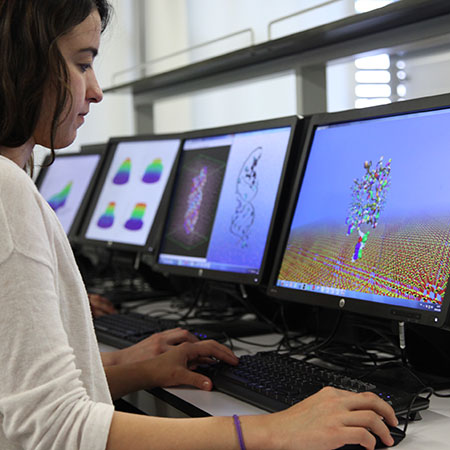
It is the computational design of new protein molecules with desired functions for use in medicine and bioengineering. For this purpose, designs can be developed either entirely from scratch or by modifying specific regions of existing proteins, using computational tools such as quantum mechanics, molecular dynamics, homology modeling, and bioinformatics.
- Dr. Öğr. Üyesi Ersin Emre Ören