Research Topics
Image Processing
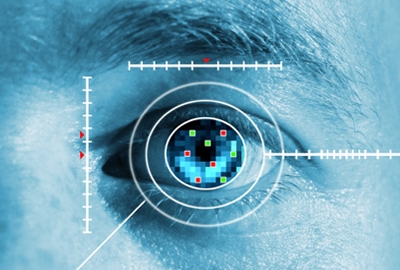
It is a research field that aims to transform images obtained from various sources into more desirable forms and to render them suitable for information extraction. The output images produced through image processing are prepared for use in subsequent stages such as computer vision, pattern recognition, and real-time video analysis. Major application areas of image processing include image enhancement, background subtraction, image compression, motion detection, and image segmentation
- Doç. Dr. Ahmet Murat Özbayoğlu
Data Mining

It is a research field concerned with identifying useful data within large datasets, extracting information, performing data analysis, and supporting decision-making based on these processes. Its principal application areas include social network analysis, big data analytics, document content identification, text mining, bioinformatics, meteorological data analysis, and geographic information systems, among others
- Doç. Dr. Ahmet Murat Özbayoğlu
- Doç. Dr. Tansel Özyer
Machine Learning

It is a research field that focuses on enabling machines to learn and make decisions in a manner similar to humans. Techniques commonly employed in this domain include linear classifiers, artificial neural networks, decision trees, statistical learning methods, support vector machines, and fuzzy expert systems. The field encompasses a wide range of application areas, such as autonomous vehicles, speech recognition, protein sequence analysis, financial risk assessment, scheduling, social networks, and game playing
- Doç. Dr. Ahmet Murat Özbayoğlu
- Doç. Dr. Tansel Özyer
- Dr. Öğr. Üyesi Mehmet Tan
Bioinformatics
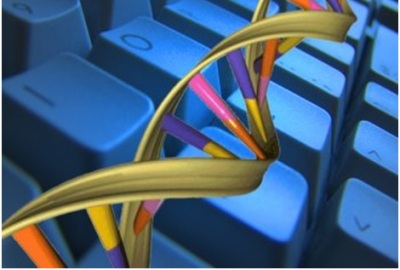
It is a research field that brings together the disciplines of biology and computer science, aiming to develop methods for storing and analyzing the ever-increasing volume of biological data. Some of the core topics studied in this area include predicting the structure and function of proteins, conducting cancer research, improving and accelerating drug discovery processes, and systems biology, which seeks to uncover molecular interactions within living organisms. Our work focuses on protein/gene interactions, molecular classification, cancer systems biology, and the interactions of drugs with other molecules
- Dr. Öğr. Üyesi Mehmet Tan
Natural Language Processing
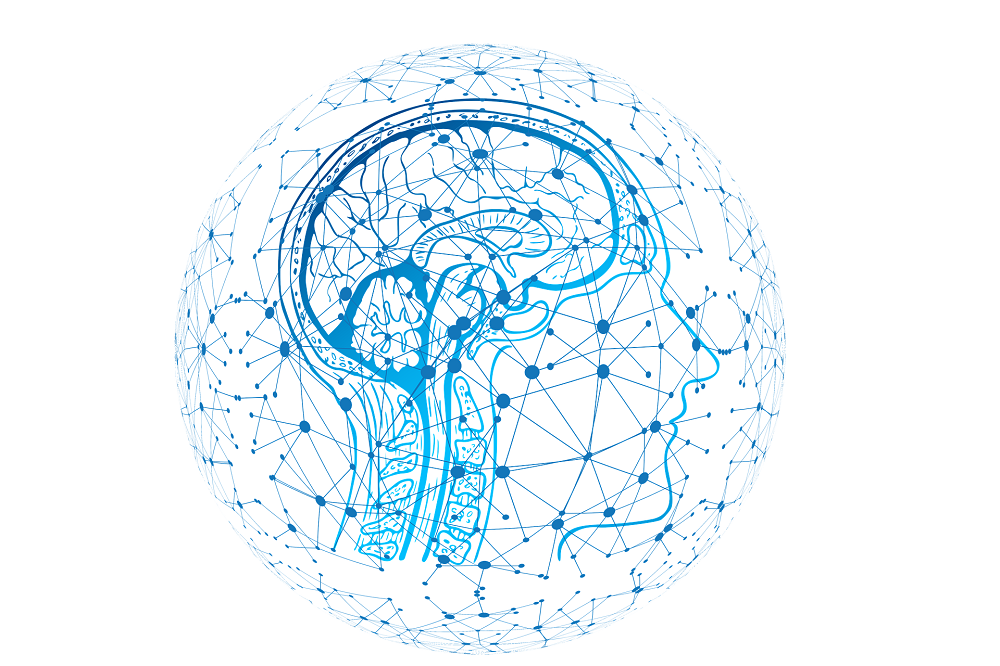
It is a research field that aims to analyze spoken or written data produced in natural languages such as Turkish or English, and to facilitate communication between humans as well as interaction between humans and computers. Core topics in natural language processing include morphological and syntactic analysis of words and sentences, semantic analysis of texts, automatic summarization, spell-checking, and machine translation. In addition to linguistic processing, current areas of research involve sentiment analysis of texts, detecting hate speech on social media, and developing conversational agents that interact with humans
- Dr. Mücahid Kutlu
Information Retrieval Systems
Information retrieval systems are designed to meet users’ information needs by rapidly returning relevant documents from large collections of raw data that have undergone minimal preprocessing and lack a predefined structure. While the most familiar examples are internet search engines such as Google, domain-specific search engines for legal documents or academic publications, document classification tools, filtering of irrelevant information on social media, user search and recommendation systems on social networks, cross-lingual search, and the automatic verification of claims disseminated online are among the research topics in this field. Because searches are conducted over textual data, the field intersects with natural language processing, and since fast response times are required, it also involves various areas of computer science such as distributed and parallel computing
- Dr. Mücahid Kutlu
Game Theory and Artificial Intelligence
Although Artificial Intelligence and Game Theory appear to be distinct scientific fields, they are closely interconnected. At the most general level, both disciplines focus on how “intelligent” individuals within a community interact, depend on one another in terms of their interests, and engage in conflict. They examine how these individuals’ optimization problems can be solved by taking such interactions into account and employing various reasoning and learning techniques. The combined use of Artificial Intelligence and Game Theory methods enables advanced analyses and designs in numerous fields—such as economics, finance, and biology—where events and outcomes emerge from cooperative or non-cooperative decisions and behaviors of multiple individuals or groups
- Dr. Öğr. Üyesi Buğra Çaşkurlu
- Prof. Dr. İsmail Sağlam
Computer Vision

It is a research field that seeks to enable computers to recognize objects in the way humans do with their eyes. Through processing images obtained from cameras, computer vision makes it possible to extract desired information from visual data. Major application areas of computer vision include vehicle tracking, facial recognition, character recognition, license plate recognition, and related tasks
- Doç. Dr. Ahmet Murat Özbayoğlu
Robotics
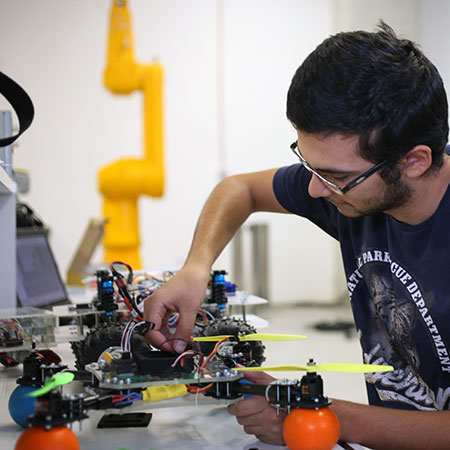
Robotics is an interdisciplinary field that draws on concepts from computer engineering, electrical and electronics engineering, and mechanical engineering. The field may be broadly divided into two areas of study: mobile robots—capable of moving from one location to another on land, in the air, in water, or on other planets—and manipulator robots (robotic arms). Research and application areas in robotics include motion patterns of robots (path planning and motion planning), processing and interpreting sensor data, programming robots to utilize acquired information for specific purposes, designing robot bodies tailored to different application domains, human–robot interaction, and developing algorithms that enable robot teams to operate efficiently
- Dr. Ögr. Üyesi Didem Kadıhasanoğlu
Financial Markets and Artificial Intelligence

At virtually every moment of trading in financial markets, vast amounts of data are generated. These data contain valuable information for investors and policymakers in areas such as stock price prediction, real-time estimation of inflation rates, and instantaneous forecasting of economic growth. The dynamic structure of financial markets, the volume and variety of available data, and the multidimensional interactions among these data necessitate the use of artificial intelligence systems capable of learning and making decisions for the analysis and prediction of financial data. These intelligent systems—employing approaches such as evolutionary algorithms, artificial neural networks, support vector machines, decision trees, and decision support systems—are utilized in various financial domains, including portfolio optimization; developing fundamental and technical trading strategies in foreign exchange and stock markets; bankruptcy prediction using balance sheet information; credit rating; financial risk analysis (especially market and operational risk analysis for banks); financial time-series analysis and forecasting models; behavioral finance and blockchain modeling; financial sentiment analysis and text mining; and the development of financial decision-support systems connected to social network analysis.
- Doç. Dr. Ahmet Murat Özbayoğlu
- Prof.Dr. İsmail Sağlam